
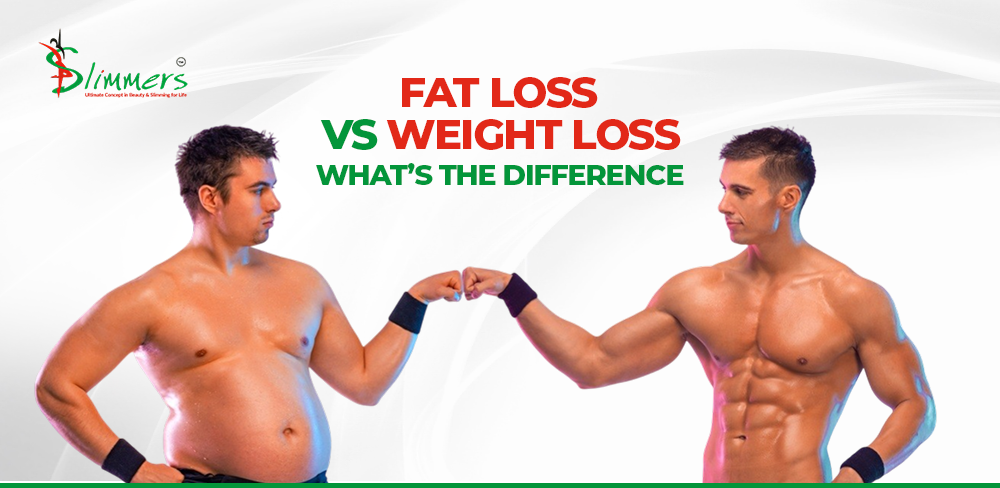
Many people try to lose weight using different methods. In an effort to look slim and smart, they try different diets and intense workouts. Many problems arise during an individual’s weight loss journey.
Sometimes, the number on the scale is reduced successfully. But people feel lazy afterwards and cannot detect the fat loss. At other times, they may start to get a toned body but can’t see a change in their weight. The numbers on the weight scale can be misleading.
There is a significant difference between fat loss and weight loss. Although people try to make an effort to lose weight, without the knowledge of the difference between fat loss and weight loss, they might not get the results they want. And that’s why they start to give up so easily.
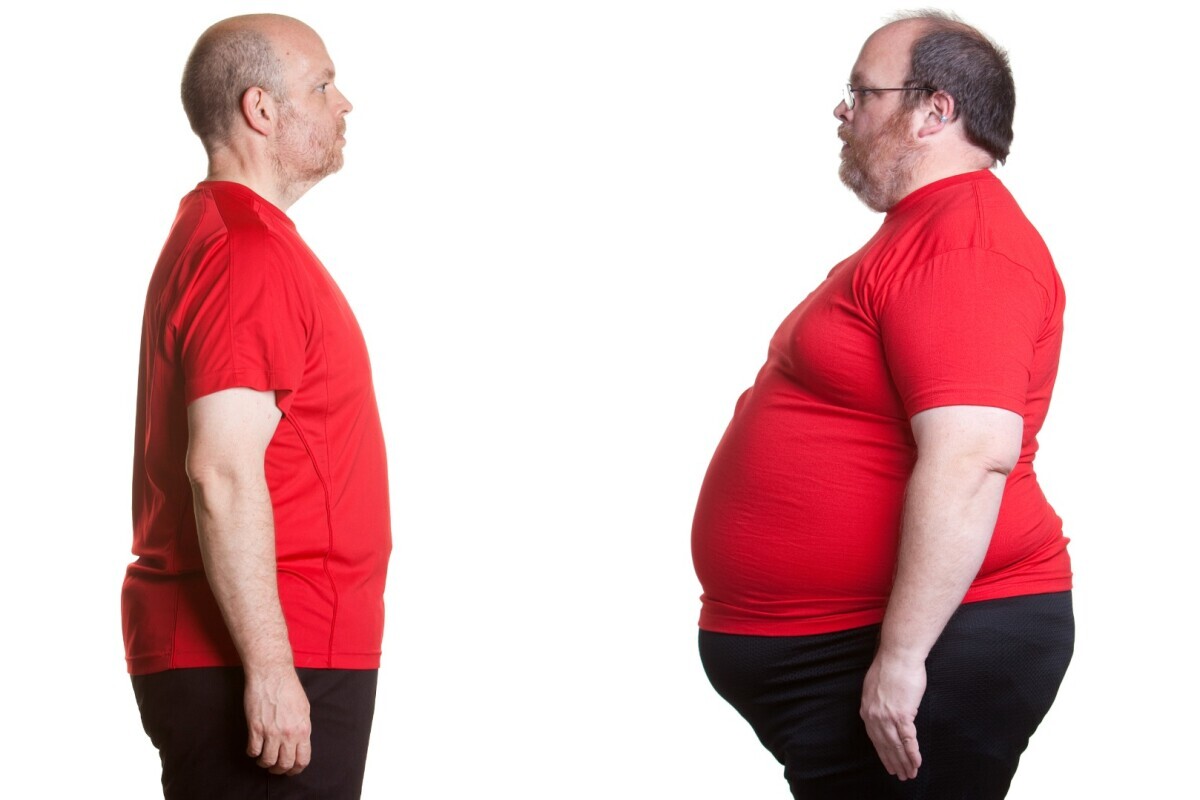
In reality, focusing on weight loss without completely understanding the fat loss is a major reason why people get disappointed with their weight loss efforts. Stop chasing a lower number on the scale and start focusing on a healthier body composition. Dr. Sardar Imran Sher Qaisrani specializes in the science of fat loss vs. weight loss.
At Slimmers, he provides patients with expert guidance and natural weight loss tips to reduce stubborn fat safely while protecting long-term health. His approach focuses on sustainable lifestyle changes, balanced nutrition, and healthy habits to achieve lasting weight loss results.This article explains carefully between fat loss and weight loss and helps you understand where to focus during a weight loss journey. It aims to provide information about the long-term results of weight loss.
Weight loss simply means a decrease in total body weight. If someone has lost some weight, it means that they might have reduced body fat, muscle mass, water weight, and glycogen (stored carbohydrates in the muscles). These multiple components of weight loss cannot be identified on the scale separately. The scale only provides the overall weight loss number. Moreover, the method chosen to lose weight also matters a lot. A strict diet in which carbohydrates are restricted results in water-based weight loss. It means that the body is releasing stored water.
Weight loss and fat loss do not occur in crash diets. If such a diet is continued without a proper strategy, the body starts breaking down muscle tissue, and metabolism becomes slow. This type of weight loss is very hard to maintain in the long run. A balanced diet plan for weight loss focuses on sustainable fat reduction, muscle preservation, and long-term health. On the other hand, fat loss means reducing body fat and not muscle mass. A strategic approach is used, consisting of a healthy diet and exercise. The focus is on losing fat (adipose tissue) from the body.
This is a much healthier and more sustainable goal. The muscle mass is preserved, and only fat is targeted. The result is a lean body with improved muscle definition. The metabolism of an individual is also healthier, and energy levels are improved. There are no dramatic changes on the scale. However, visible changes are obvious i-e: leaner body.
The table below clearly differentiates between weight loss and fat loss.
| Feature | Weight Loss | Fat Loss |
|---|---|---|
| Metric | The Number on the Scale. The focus is on the reduction in total body weight | Body Measurements & Body Fat %. The focus is on the reduction in body fat specifically, while preserving muscle. |
| What is Lost | Fat, Muscle, glycogen, and Water | Primarily Adipose Tissue (Fat) or body fat. |
| Physical Result | Lower number on the scale. Smaller, but potentially "soft" body. | Toned, defined, and firm body with better composition. |
| Metabolic Impact | Can slow down metabolism. May not always improve health. | Boosts or maintains metabolism. Generally improves health and fitness. |
| Sustainability | It often leads to "yo-yo" dieting and weight regain. It is temporary if muscle is lost. | Sustainable and health-focused. Provides Long-term results. |
| Energy Levels | Often leads to fatigue | Usually results in higher energy |
Losing unwanted body fat is more important than losing overall weight because of the following benefits:
There is a high chance of metabolic conditions if an individual has excessive body fat around the abdomen. Reducing extra fat provides health benefits such as better blood sugar control and normal cholesterol levels, etc.
Due to unwanted fat, an individual may not look physically appealing. However, when the fat is lost, the body looks more toned and defined. It gives confidence and enhances the self-esteem of the person.
If exercise is continued during the fat loss journey, then the muscle mass is maintained. It provides better energy and improved physical performance. Muscle tissue is beneficial for the body because muscles burn calories even at rest.
Fat loss that is strategic and involves balanced nutrition and exercise provides long-term results. The body gets all the nutrients it needs without starvation. Moreover, there is no muscle loss and slow metabolism in fat loss.
In order to get sustainable results from a fat loss routine, only those habits should be prioritized that support fat loss. Targeted Fat loss is what actually reduces the internal, health-threatening fat (visceral fat). First of all, proteins should be incorporated in diet because they help to preserve muscles during fat loss. Protein acts as a shield around the muscles during a calorie deficit. Fat tissues are burned instead of muscles if high-quality proteins are consumed. Secondly, muscles should be maintained by resistance training.
Muscles support metabolism and improve body composition. It is not necessary to lift heavy weights. Daily movement, such as walking or running, swimming and cycling are essential for fat burning. Strength training is the secret weapon for Fat loss. Thirdly, fat loss should be tracked through body measurements to observe progress. If the scale stays the same but the waist measurement goes down, it means fat is being lost, and muscle is gained. Finally, a proper sleep routine and stress management are the key to fat loss. A high level of stress hormone causes fat to build up around the belly. Quality sleep and a stabilized mode enhance the fat reduction process.
Many people judge their progress only by the scale. It should be noted that the scale does not measure body composition. It only measures the total weight of the body. While scale can be used to track the progress of weight loss, other methods should also be used in addition to the scale.
A good example to understand this concept is that while fat is lost, muscle might also be gained due to strength training. It will not change the value on the scale. Such progress is measured using a measuring tape, before and after photos, or how clothes fit.
The journey to a healthier version of oneself shouldn’t be a battle against the scale. If someone is trying to improve their health and fitness, they must understand the difference between fat loss vs weight loss.
Comparatively, fat loss is preferred because it targets fat and improves muscles. The result is improved body tone, enhanced muscle, and higher energy levels. True progress is not just about seeing a smaller number on the scale, it is about building a stronger, healthier version of oneself.
A consultation with an experienced dietitian helps you achieve your goals smoothly, without any hurdles. A specialist like Dr. Sardar Imran Sher Qaisrani recommends a proper diet tailored to your body type and age. At Slimmers, expert guidance and a structured strength training plan are provided to ensure healthy weight loss without compromising your well-being. These are some of the key benefits of consulting a dietitian for weight loss, as professional supervision ensures balanced nutrition, improved metabolism, and long-term results.
Book a consultation and be a stronger, more resilient, and more confident individual. Because the journey to a better body is paved with good intentions, but it’s guided by expert knowledge.

Now please enter your name and phone number to get free consultation
WhatsApp us