Food cravings are a normal part of life. They can happen because of hunger, stress, poor sleep, emotions or simply because you enjoy a particular food. The problem begins when cravings regularly influence your eating choices and make it difficult to follow your health goals.
The good news is that you do not need to skip meals, ignore hunger or remove all your favourite foods to manage cravings. A few practical changes can help you feel satisfied, understand your eating habits and make better food choices.
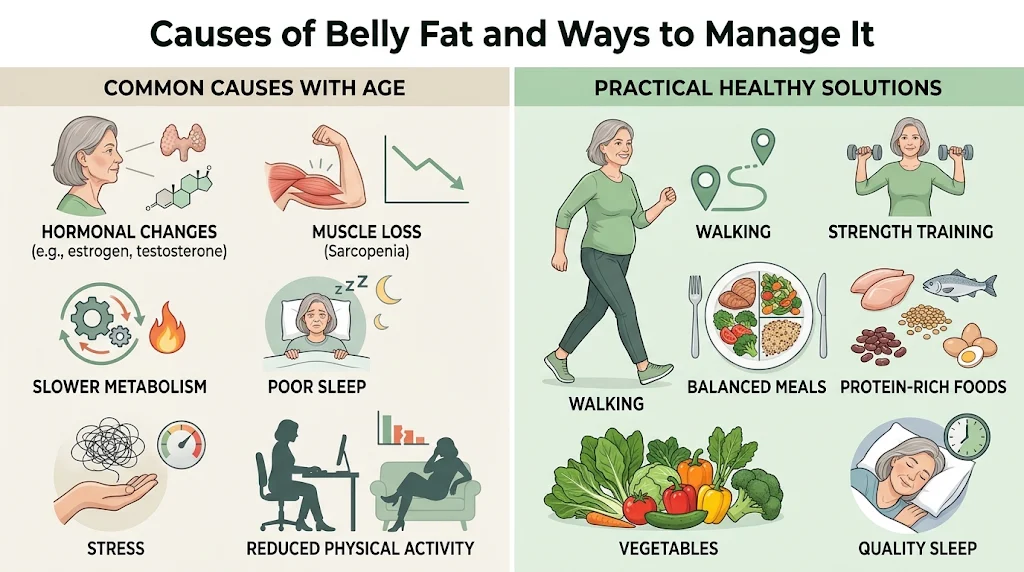
Why Do Food Cravings Happen?
Before learning how to manage cravings, it helps to understand what causes them. Not every craving means your body needs more food. Sometimes it is connected to physical hunger, while other times it comes from emotions, habits or your surroundings.
1. You Are Not Eating Enough During the Day
One of the biggest mistakes people make when trying to lose weight is eating too little.
You might skip breakfast, have a very small lunch and try to avoid snacks. However, by evening, your hunger may become stronger, making it harder to control your portions.
When your body does not receive enough energy, you may start looking for quick and satisfying foods.
What to do: Eat regular, balanced meals instead of trying to survive on very small portions. Include protein, fibre-rich foods and healthy fats to help you stay satisfied.
2. Stress and Emotional Eating
Food is not always connected to physical hunger. Many people reach for snacks when they feel worried, bored, lonely or emotionally exhausted.
For example, after a stressful day at work, you might want chocolate, biscuits or fast food because eating something enjoyable provides temporary comfort.
This is often called emotional eating.
What to do: Before reaching for food, take a moment to understand what you are feeling. If you are physically hungry, eat something satisfying. If you are stressed, try walking, listening to music or talking to someone you trust.
You do not need to feel guilty about emotional eating. The goal is to recognise the pattern and develop other ways to manage difficult emotions.
3. Poor Sleep Habits
Your sleep routine can influence your appetite and food choices.
When you regularly sleep poorly, you may feel hungrier during the day and find it harder to resist foods that are high in sugar or fat. Tiredness can also reduce your motivation to prepare balanced meals.
What to do: Try to maintain a consistent sleeping schedule. Reduce screen time before bed and create a comfortable sleeping environment.
Getting enough rest can make healthy eating habits easier to maintain.
4. Skipping Balanced Meals
Eating something that fills your stomach but lacks important nutrients may leave you hungry again soon.
For example, having only tea and biscuits for breakfast may not provide enough protein or fibre to keep you satisfied.
What to do: Build meals that include different food groups. Add eggs, yoghurt, vegetables, whole grains, beans or other protein-rich foods according to your preferences.
A balanced meal can help reduce unnecessary snacking between meals.
10 Practical Ways to Manage Food Cravings
You do not have to fight hunger all day to improve your eating habits. Instead, focus on understanding your body and making food choices that keep you satisfied.
1. Never Skip Meals to Save Calories
Skipping meals may seem like an easy way to reduce your daily calorie intake. However, it can make you extremely hungry later.
Imagine skipping lunch because you want to lose weight. By evening, you may feel so hungry that controlling your portions becomes difficult.
Instead of following this pattern, eat regular meals that provide enough energy.
Try including:
- Eggs with whole-wheat toast for breakfast.
- Chicken, beans or lentils with vegetables for lunch.
- A balanced dinner with protein and whole grains.
- Fruit, yoghurt or nuts when you need a snack.
You do not need to follow a strict meal schedule. Choose a routine that works with your daily life and hunger levels.
2. Include Protein in Every Main Meal
Protein is an important part of a satisfying diet. It takes longer to digest than many carbohydrate-rich foods and can help you feel full for longer.
If your meals contain very little protein, you may find yourself looking for snacks shortly afterwards.
Good protein sources include:
- Eggs
- Chicken
- Fish
- Milk and yoghurt
- Lentils
- Chickpeas
- Beans
- Cottage cheese
For example, instead of eating only plain toast for breakfast, try adding an egg or some yoghurt.
This small change can make your breakfast more satisfying and help you manage hunger throughout the morning.
3. Eat More Fibre-Rich Foods
Fibre supports digestion and helps meals feel more filling. Foods rich in fibre often take longer to chew and digest, which can support better appetite management.
Some useful choices include:
- Apples and pears
- Oats
- Brown rice
- Whole-wheat bread
- Carrots
- Broccoli
- Spinach
- Beans and lentils
Try adding vegetables to lunch and dinner or choosing whole fruit instead of fruit juice.
You do not need to change your entire diet overnight. Start by adding one fibre-rich food to each main meal.
4. Drink Enough Water Throughout the Day
Sometimes people mistake thirst for hunger. Although drinking water does not eliminate every food craving, staying hydrated supports normal body functions and helps you recognise your body’s needs.
Keep a water bottle nearby and drink regularly throughout the day.
If you suddenly feel like eating something, pause and consider whether you might be thirsty. Have some water and check how you feel afterwards.
However, do not use water as a replacement for food when you are genuinely hungry. Your body still needs proper nutrition.
5. Do Not Completely Avoid Your Favourite Foods
One common dieting mistake is creating a long list of forbidden foods.
You might decide that you will never eat chocolate, pizza, ice cream or your favourite snacks again. While this may work temporarily, strict restrictions can make those foods feel even more tempting.
A more balanced approach is to enjoy your favourite foods in reasonable portions.
For example, if you enjoy chocolate, have a small serving instead of trying to avoid it completely. Eat it slowly and enjoy the taste rather than feeling guilty.
Remember, one snack does not ruin your progress. Your overall eating habits matter more than one individual food choice.
6. Choose Snacks That Actually Satisfy You
Not all snacks provide the same level of satisfaction.
If you regularly eat biscuits, sweets or crisps between meals, you may find yourself hungry again shortly afterwards.
Try choosing snacks that contain protein, fibre or both.
Some simple options include:
- Apple slices with peanut butter.
- Plain yoghurt with fruit.
- A boiled egg.
- A small handful of unsalted nuts.
- Roasted chickpeas.
- Carrot sticks with hummus.
- Whole-grain toast with cottage cheese.
These options can help you enjoy something between meals without relying entirely on sugary or highly processed snacks.
7. Identify Your Emotional Eating Triggers
If you regularly crave food when you are upset, bored or stressed, identifying your triggers can make a big difference.
For a few days, notice when your cravings usually appear.
Ask yourself:
- Am I physically hungry?
- Did I eat enough at my last meal?
- Am I feeling stressed or upset?
- Am I eating because food is available?
- Do I want a particular taste?
You can also keep a simple food and mood journal.
For example, you might notice that you crave sweets every evening while watching television. Once you recognise this pattern, you can decide whether you genuinely want a snack or simply need a different evening activity.
Understanding your habits is more helpful than blaming yourself.
8. Improve Your Sleep Routine
If you regularly stay awake late at night, you may find yourself reaching for snacks even after dinner.
Poor sleep can affect appetite regulation and make it harder to manage food choices the following day.
Try these simple habits:
- Go to bed at a similar time each night.
- Avoid heavy screen use before sleeping.
- Keep your bedroom quiet and comfortable.
- Avoid drinking too much caffeine late in the day.
- Give yourself enough time to rest.
A good sleep routine supports your overall health and makes it easier to maintain consistent eating habits.
9. Eat Slowly and Pay Attention to Fullness
Eating quickly can make it difficult to notice when you have had enough.
You might finish a large meal before your body has had time to register feelings of fullness.
Try slowing down during meals.
Put your spoon or fork down between bites. Chew your food properly and pay attention to its taste and texture.
Avoid eating directly from large packets because it can become difficult to notice how much you have consumed.
Instead, serve a portion on a plate and enjoy it without rushing.
The goal is not to eat as little as possible. It is to recognise when you feel comfortably satisfied.
10. Stay Physically Active
Regular physical activity supports overall health and can help improve mood, sleep and weight management.
You do not need to spend hours at the gym. Simple activities can fit into your daily routine.
For example:
- Take a 20-minute walk.
- Use the stairs when possible.
- Try light stretching.
- Dance to your favourite music.
- Include strength exercises according to your fitness level.
Exercise should not be used as punishment for eating something you enjoy.
Choose activities that feel manageable and enjoyable. Consistency is more important than pushing yourself too hard.
How to Handle Different Food Cravings
Different cravings may need different approaches. Understanding what you want can help you make a satisfying choice without feeling restricted.
Craving Something Sweet
Sweet cravings are common, especially after meals or during periods of stress.
Instead of immediately reaching for sugary snacks, consider whether you have eaten enough throughout the day.
You can try:
- Fresh fruit.
- Yoghurt with berries.
- A small piece of dark chocolate.
- A banana with peanut butter.
- Homemade fruit smoothies without added sugar.
You do not have to avoid desserts completely. Enjoying a reasonable portion can be part of a balanced eating pattern.
Craving Salty Foods
If you regularly crave crisps, chips or other salty snacks, consider preparing alternatives.
Try roasted chickpeas, lightly salted popcorn or a small portion of nuts.
Also, pay attention to whether your regular meals are satisfying enough. Sometimes frequent snacking happens because your main meals are too small.
Craving Food Late at Night
Late-night cravings can happen because of boredom, habit, stress or genuine hunger.
If you feel hungry before bed, you do not need to ignore it.
Choose something light and satisfying, such as yoghurt, a banana or a small serving of nuts.
If you are not hungry, try changing your routine. Read a book, prepare for the next day or do something relaxing instead of automatically opening the kitchen cupboard.
Common Mistakes That Make Food Cravings Worse
Even when you have good intentions, certain habits can make cravings more difficult to manage.
Following Extremely Restrictive Diets
Very restrictive diets can leave you feeling deprived and may make it harder to maintain healthy eating habits.
A sustainable approach should include enough food and a variety of nutrients.
Relying on Willpower Alone
Trying to resist every craving through willpower can become exhausting.
Instead, create an environment that supports better choices. Keep satisfying snacks available and plan your meals ahead of time.
Eating Too Little Protein and Fibre
Meals that lack protein and fibre may not keep you satisfied for long.
Add foods such as eggs, beans, lentils, vegetables and whole grains to improve meal balance.
Feeling Guilty After Eating
Feeling guilty after enjoying your favourite food can create an unhealthy relationship with eating.
Avoid treating individual meals as successes or failures. Return to your usual balanced routine and move forward.
A Simple Daily Eating Routine to Manage Cravings
You do not need an expensive meal plan or complicated recipes to build healthier eating habits.
Here is an example of how a balanced day could look:
Breakfast: Two eggs with whole-wheat toast and a piece of fruit.
Mid-morning snack: Plain yoghurt or a small handful of nuts if you feel hungry.
Lunch: Grilled chicken or lentils with vegetables and brown rice or whole-wheat roti.
Afternoon snack: An apple with peanut butter or roasted chickpeas.
Dinner: Fish, chicken or beans with cooked vegetables and a suitable portion of whole grains.
Evening: If you feel hungry, enjoy a small satisfying snack rather than forcing yourself to go to bed hungry.
This is only an example. Your food portions and nutritional needs depend on your age, activity level, health and personal circumstances.
The most important thing is to eat enough and choose meals that keep you satisfied.
When Should You Seek Professional Help?
Occasional cravings are normal. However, if you regularly feel unable to control your eating, experience frequent episodes of eating large amounts of food or feel distressed about your relationship with food, professional support may help.
A registered dietitian or qualified healthcare professional can help you understand your eating patterns and create an appropriate nutrition plan.
You should also seek medical advice if you experience sudden changes in appetite, unusual thirst or other unexplained symptoms.
Do not assume that every craving is caused by a lack of willpower. Several physical, emotional and lifestyle factors can influence appetite.
Final Thoughts
Learning to manage cravings is not about fighting hunger or removing every enjoyable food from your diet. It is about understanding what your body needs and creating habits that support your health.
Eat regular balanced meals, include protein and fibre, drink enough water, get proper sleep and find healthier ways to manage stress. Allow yourself to enjoy favourite foods without feeling guilty.
Most importantly, avoid extreme diets that leave you hungry and frustrated. Small, consistent changes are easier to maintain and can support long-term weight management.
If you need professional guidance to improve your eating habits and work towards a healthier weight, explore the resources and guidance available from Dr Sardar Imran Sher Qaisrani through Slimmers Pakistan.
Remember, a healthy lifestyle should help you feel better, not leave you feeling deprived. You can work towards your goals while still enjoying the foods you love.