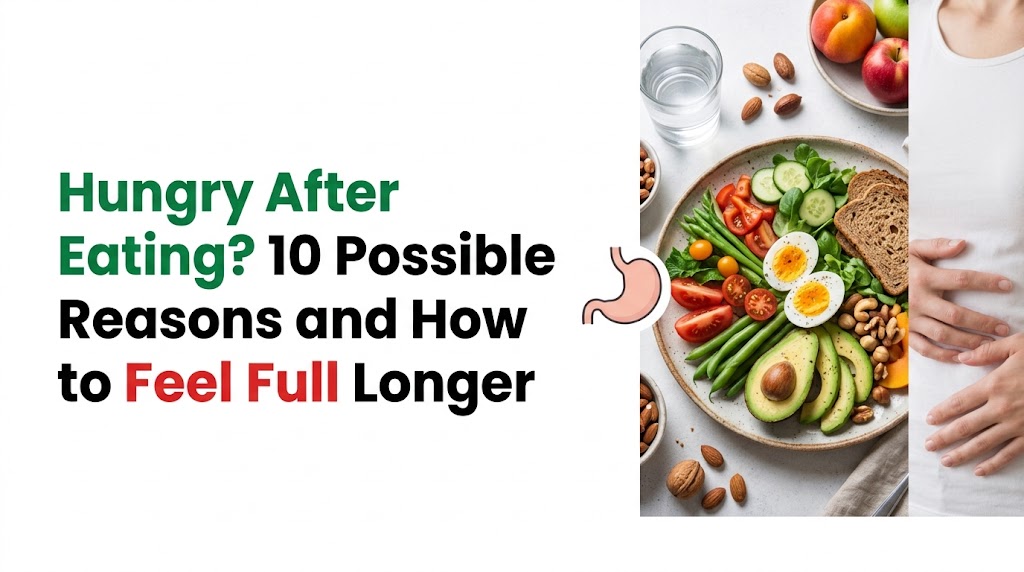
You have finished your meal, but you still do not feel full. Even after eating a proper portion, your stomach seems unsatisfied. A little later, you may find yourself looking for snacks or something else to eat.
If you experience this often, you are not alone. Feeling hungry after eating can be frustrating, especially when you are trying to manage your weight, control your food portions or build healthier eating habits.
According to Sardar Imran Sher Qaisrani, understanding the reasons behind frequent hunger is an important step toward making better food choices. Eating more is not always the answer. Sometimes, the problem is related to the type of food you eat rather than how much you consume.
Typical Causes of Hunger Even After Eating
1. Your Meals Are Missing Enough Protein
A vital nutrient, protein aids in tissue repair, muscle upkeep, and a number of other bodily processes. Additionally, it can make you feel full after eating.
If your meals mainly consist of bread, rice or other carbohydrate-rich foods, you may feel hungry again sooner.
For example, having only tea and toast for breakfast might not provide enough protein to keep you satisfied throughout the morning.
Try adding protein-rich foods to your meals, such as:
- Eggs and plain yoghurt
- Chicken and fish
- Beans and chickpeas
- Milk and cottage cheese
- Lentils and other pulses
Expensive protein supplements are not necessary to enhance your diet. Useful levels of protein can be found in common foods.
2. You Are Not Eating Enough Fibre
Fibre is essential for digestive health. It also helps make meals more satisfying by adding bulk and supporting slower digestion.
A diet that contains very few fruits, vegetables and whole grains may leave you feeling hungry soon after eating.
For example, eating white bread with tea every morning provides less fibre than a breakfast containing oatmeal, fruit and yoghurt.
Make your meals more fibre-rich by including:
- Apples, oranges and pears
- Oats and wholegrain bread
- Carrots, spinach and broccoli
- Beans and lentils
- Chia seeds and other edible seeds
3. Poor Sleep Is Affecting Your Appetite
Your appetite is connected to your sleep routine. When you regularly get insufficient or poor-quality sleep, the signals that regulate hunger and fullness may become disrupted.
You may notice that you feel hungrier after a restless night or crave sweet and high-calorie foods when you are tired.
Imagine staying awake late at night and waking up early for work. Throughout the following day, you might feel tired and repeatedly look for snacks.
To improve your sleep:
- Maintain regular sleeping and waking times.
- Reduce screen use before bedtime.
- Avoid excessive caffeine late in the day.
- Keep your bedroom comfortable and quiet.
- Allow enough time for proper rest.
Good sleep supports overall health and can make healthy eating habits easier to maintain.
4. You Are Mistaking Thirst for Hunger
Not every sensation that feels like hunger means you need food. Sometimes, you may simply need water.
This can happen when you spend several hours working, travelling or exercising without drinking enough fluids.
5. You Are Skipping Meals
Skipping meals can create a cycle of extreme hunger and overeating.
Instead of leaving yourself hungry for long periods, create an eating routine that suits your daily schedule.
If you have a busy morning, prepare breakfast in advance. Boiled eggs, fruit, yoghurt and overnight oats are convenient choices.
Regular eating habits can help you recognise your hunger signals and make more comfortable food choices.
6. Your Diet Contains Too Many Refined Carbohydrates
Refined carbohydrates are found in foods such as white bread, biscuits, pastries, sugary cereals and many packaged snacks.
You do not need to eliminate carbohydrates. Instead, combine them with protein, fibre and healthy fats.
For example:
- Eat wholegrain toast with eggs.
- Combine rice with chicken and vegetables.
- Add lentils to your regular meals.
A balanced plate can provide a wider range of nutrients and help support fullness.
7. Stress Is Triggering Your Hunger
Have you ever noticed that you want to eat more when you are worried, upset or overwhelmed?
This may be emotional eating. It happens when you use food to respond to emotions instead of physical hunger.
For example, after a stressful day, you might reach for chocolate or order your favourite meal even though you have already eaten dinner.
To manage emotional eating, try to identify what triggers your cravings. Take a break, go for a walk, practise relaxation techniques or speak with someone you trust.
The important thing is to understand your eating patterns and develop healthier ways to manage stress.
8. You Are Eating Too Quickly
Eating quickly can make it harder to recognise when you are comfortably full.
Your body needs time to process the signals associated with eating. If you finish your meal in just a few minutes, you may not notice fullness until later.
Make mealtimes more relaxed.
- Take smaller bites.
- Chew your food properly.
- Avoid eating while distracted.
- Put your spoon down between bites.
- Give yourself enough time to enjoy your meal.
These small changes can help you become more aware of your hunger and fullness signals.
9. Your Body Needs More Energy
If you have recently increased your physical activity, your appetite may increase as well.
Walking longer distances, exercising regularly or doing physically demanding work can increase your energy requirements.
For example, someone who starts going to the gym may notice more hunger than before.
Instead of ignoring this hunger, make sure your meals provide enough energy and nutrients. Your nutritional needs depend on your activity level, age and individual circumstances.
10. A Health Condition May Be Increasing Your Appetite
Sometimes, persistent hunger has a medical cause.
Certain conditions, including diabetes and an overactive thyroid, can affect appetite and other body functions. Some medications may also increase hunger.
Pay attention if increased appetite occurs alongside unexplained weight loss, excessive thirst, frequent urination, unusual tiredness or blurred vision.
If you experience these symptoms, consult a healthcare professional. They can assess your condition and recommend appropriate tests.
Do not assume that constant hunger is simply a lack of discipline.
Step Up for Better Health: Meet Dr. Sardar Imran Sher Qaisrani
For Personalized Weight Management. Visit Slimmers for Better Results.
How to Stop Feeling Hungry After Eating
Understanding the possible causes is useful, but making practical changes is what helps you build healthier habits.
Here are some simple ways to improve your meals and manage your appetite.
Start Your Day With a Balanced Breakfast
Breakfast should provide enough nourishment to support your morning activities.
Instead of depending only on tea and biscuits, choose a combination of protein and fibre.
Some suitable options include:
- Boiled eggs with wholegrain toast.
- Oatmeal prepared with milk.
- Plain yoghurt with fruit.
- Vegetable omelette with wholegrain bread.
If you prefer traditional Pakistani breakfast foods, you can still make balanced choices. For example, combine a suitable portion of roti with eggs or yoghurt.
Build Meals That Keep You Satisfied
Try combining:
- Protein from eggs, chicken, fish or lentils.
- Fibre from vegetables and fruits.
- Carbohydrates from rice, potatoes or whole grains.
- Healthy fats from nuts, seeds or suitable cooking oils.
For example, a meal containing chicken, vegetables and rice offers a more balanced combination than eating plain rice alone.
You do not need to follow complicated recipes. Focus on variety and suitable portions.
Choose Snacks That Provide Real Nourishment
Snacking is not automatically unhealthy. If you feel hungry between meals, a nutritious snack can help.
Consider options such as:
- Fresh fruit
- Plain yoghurt
- Boiled eggs
- A small serving of nuts
- Roasted chickpeas
- Milk
Keep convenient options available so you are not completely dependent on packaged snacks.
Avoid Extreme Weight-Loss Diets
One common mistake is reducing food intake too much in an attempt to lose weight quickly.
Very restrictive diets can leave you tired, hungry and frustrated. They may also make it difficult to maintain healthy habits over time.
Instead, focus on gradual changes. Eat balanced meals, choose suitable portions and stay physically active in ways that fit your lifestyle.
Weight management should support your health, not make you feel hungry all day.
Can Constant Hunger Affect Your Weight?
Constant hunger can make weight management more challenging, especially when it leads to frequent snacking or eating beyond your body’s energy needs.
However, hunger itself does not automatically cause weight gain.
Your weight is influenced by several factors, including overall energy intake, physical activity, sleep, genetics, medications and health conditions.
The goal is to find a sustainable eating routine that provides enough nutrients and keeps you reasonably satisfied.
A balanced approach is more useful than repeatedly skipping meals or following extreme restrictions.
When Should You Be Concerned About Constant Hunger?
Occasional hunger after eating is not necessarily a medical problem. However, persistent or unusual changes in appetite deserve attention.
Speak with a healthcare professional if you experience constant hunger along with:
- Unexplained weight loss.
- Excessive thirst.
- Frequent urination.
- Persistent tiredness.
- Blurred vision.
- Sudden changes in appetite.
For example, increased hunger together with excessive thirst and frequent urination can be associated with diabetes.
A healthcare professional can help identify the cause rather than relying on guesswork or unnecessary dietary restrictions.
Final Thoughts
You have finished your meal, but you still do not feel full. Even after eating a proper portion, your stomach seems unsatisfied. A little later, you may find yourself looking for snacks or something else to eat.
According to Sardar Imran Sher Qaisrani, understanding the reasons behind frequent hunger is an important step toward making better food choices. Eating more is not always the answer. Sometimes, the problem is related to the type of food you eat rather than how much you consume.
The good news is that small changes in your daily routine and eating habits may help you feel satisfied for longer. Instead of skipping meals or following strict diets, focus on balanced nutrition and healthy habits that support your overall well-being.
If you are looking for professional weight management guidance in Pakistan, Slimmers Pakistan offers information about its services and available consultation options. You can visit Slimmers Pakistan to learn more about its approach and services. You can also explore the professional profile of Dr. Sardar Imran Sher Qaisrani to learn more about his background.
Remember that lasting progress takes time. Focus on healthy habits and seek qualified professional advice before starting any weight management program.