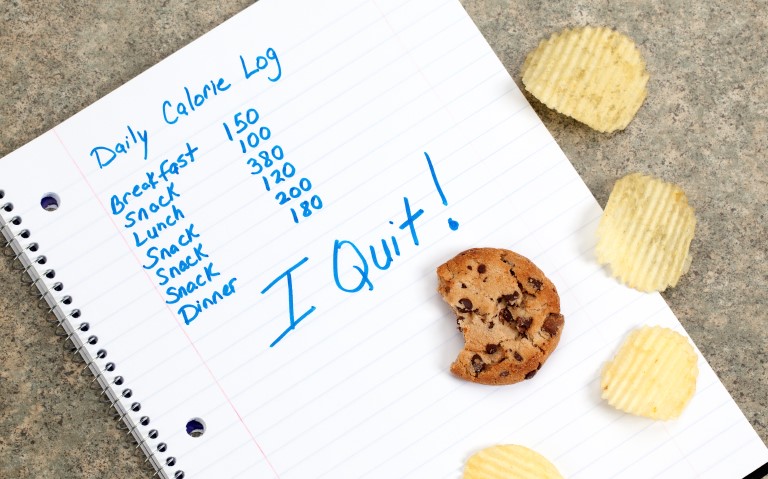
Why Diet Plans Fail in Pakistan: Real Reasons & Smart Solutions

Dieting is easy to start, but hard to continue. Many people in Pakistan begin weight loss with excitement, hoping for fast results. But after a few weeks, strict diets become exhausting and unrealistic. Once the diet stops, the weight comes back, and the cycle repeats. 

This is why long-term success requires the right strategy, one that supports your body, fits your lifestyle, and promotes overall health through a professional weight loss clinic in Pakistan.

The failure of these diet programs can be due to the lack of willpower, but there are some real reasons involved as well. Wrong food choices, misinformation, and unrealistic objectives are some areas that largely affect diet patterns. 

The rest of this piece of writing will spotlight more real reasons diet plans fail in Pakistan and which strategies perfectly work to overcome the issues. 

Dieting in Pakistan: The Real
Mindset Behind Weight Loss Struggles

The influence of a mix of Pakistani cultural, social, and psychological issues affects the manner in which individuals choose to manage their weight. In Pakistan, a healthy diet and healthy eating habits are regarded not as a long-term solution but a short-term plan that is followed in the weeks or months preceding a wedding, a party, or an intended vacation. 

Due to this, a drastic approach, which may include skipping meals or not following a healthy eating plan, is preferred and followed. Social influences also affect a healthy eating plan. The importance of food in the culture is so high that refusal to some specific dishes is regarded as a lack of courtesy. Hence, adherence to dietary plans becomes a challenge.

Moreover, there are unrealistic ideals that are created by the media and celebrities. These lead people to believe that quick and extreme outcomes are common and possible when, in reality, they are doubtful. 

Then, economic conditions exert additional influence because the cheapest, and in some respects, most accessible food tends to consist of high-calorie and poor-nutrient items. 

At the same time, healthier nutrients are perceived as being costly and/or inconvenient. Taken together, these cultural, social, and psychological factors have created a mindset that views weight loss as a kind of short-term test of will, compared to a long-term journey towards wellness.

The Real Causes Behind “ Why Diet Plans Fail In Pakistan”

The discipline of the Pakistani people does not account for the failure of the diet plans. Many factors are intertwined in this context that make it difficult to stick to the diet. It is necessary to understand these aspects so that smarter diet plans and sustainable approaches can be developed.

Cultural and Traditional Practices

Food has a prominent and profound significance in Pakistani culture, and it goes beyond the aspects of just satiating one’s hunger. It has strong cultural and social connections in terms of bonding and festivities. Pakistani celebrations and social visits have a significant role in awakening people’s taste buds.

These events are elaborated with mouthwatering dishes like Biryani, Nihari, Parathas, and other traditional sweets. 

All the items consist of high amounts of ghee, oil, sugar, and refined carbohydrates. Thus, it becomes an issue for people in terms of consistency, because it’s not a matter of willpower but something that makes them feel isolated and embarrassed in their social gatherings.

Unrealistic Expectations and Fad Diets

The trend of social sites, celebrity makeovers, and quick results that advertising campaigns portray leads to Pakistanis becoming interested in shedding kilos quickly. However, while attempting to lose weight, quick crash diets or very calorie-restrictive eating methods seem convenient and viable. But they provide short-term weight loss, with no health benefit. 

As a result, the body fights back and slows down its metabolic rate, stimulating appetite levels and cravings to an extent that retaining that weight is no longer an easy task. Thus, finding oneself in this problematic situation of shedding and gaining weight again and again keeps one irritated and demotivated. In such a situation, the majority stop pursuing extremely fast weight loss altogether without realizing that it is, in fact, an extremely slow procedure.

Lack of Professional Guidance

Most Pakistani diet plans are based on generic diet charts. The public is used to following the stuff available on social media applications or advice from unqualified trainers, as well as friends. Therefore, they resort to the adoption of an inappropriate diet, which may not be suitable in terms of age, health, and lifestyle. Later, one experiences either fatigue, vitamin deficiencies, or hormonal disorders, leading to diet abandonment. Instead of generic charts, BMI Calculators and Personalized Diet Plan for Weight Loss designed by professionals considers age, medical history, and daily routine.

Economic Constraints and Food Accessibility

Pakistan is still in the list of developing countries. This is the reason why healthy food like fresh fruits and vegetables, nuts, and meat is usually costly here or hard to find (in some areas). Moreover, cheap alternatives are high in calories and bad for health, too, because they lack many nutrients. Often, diet plans comprise superfoods. These “superfoods” cost a lot and become unaffordable for many. Because of this, people just quit the food plans after some time or even do not take a start.

Limited Physical Activity

Urbanization, long hours at work, and screen time have turned sedentary living into a routine in Pakistan. Many diet plans comprise specific exercise as a compulsory part. Indeed, without practical means of staying active, calorie restriction alone is rarely effective. Thus, when people cannot switch to an active pattern, the rest of the diet plan fails in Pakistan.Combining diet with Hot Water Immersion Therapy improves results even for those with limited time for exercise.

Emotional Eating and Mental Health

On open forums, the discussion about stress, anxiety, and depression as a part of diet failure is rare.  Yet, it is a detrimental factor. Emotional eating for comfort or a way of dealing with stress skips the strict rules of a diet plan. Thus, all those people who do not seek support to deal with the psychological relationship with food cannot be successful.

Lack of Consistency

In a country where eating represents courtesy, manners and relationships, sticking to a selective diet is no less than a challenge. Thus, anybody who wants to adhere to a diet plan successfully needs support from family, relatives and friends. All can be quite difficult. Furthermore, a lot of people see dieting as a short-term change, which leads to habits returning after finishing the “diet phase”.

Increase Your Health Expectancy: Visit Slimmers Today

Step Up For A Healthier You: Meet Dr. Sardar Imran Sher Qaisrani

Smart Solutions for Successful Dieting in Pakistan

Numerous points came up in the above discussion that give a clear picture of why diet plans fail in Pakistan. Still, this is not the closure. Some smart approaches can help to overcome all these issues. Consulting a trusted weight loss specialist in Pakistan ensures safe progress without nutritional deficiencies. The only thing you need to keep in mind is that you need to rely on lasting healthy habits. The following tips will be of great help in this regard.

1. Don't Ban Cultural Foods on yourself

A big fear of banning conventional foods can be overcome smartly. You just need to practice moderation and healthier ways while preparing your favourite dishes. Case in point, preparing biryani using brown rice, lots of vegetables and less oil is good enough. Similarly, parathas of whole wheat and very little ghee will make a difference to your weight. This enables individuals to enjoy their favorite foods even in social gatherings.

2. Be Practical About Your Goals

It is critical to understand that weight loss should be gradual. Shedding pounds within days could be even more dangerous. Thus, do not be extremist. Things like consuming only one type of food or fasting too much are not good for your health. Your focus should be on implementing healthy life changes that could help you attain sustainable health and weight.

3. Know the Worth of Expert Guidance

Knowing the impact of professional guidance can entirely change the whole story. Instead of copying a general diet plan, an expert dietitian can give you advice keeping in view your age, general health stats and medical history. It will prevent you from nutritional deficiencies, metabolic disorders and other possible health conditions.

4. Affordable Local Foods Work Best

Being smart in swapping foods can resolve numerous issues. You can choose seasonal vegetables, eggs, and yogurt to replace costly nuts or fruits. Moreover, in place of fried snacks, using roasted chickpeas can be convenient. Such alterations can make healthy eating accessible and budget-friendly.

5. Increase Physical Activity

Exercises do not indicate costly gym memberships. Even daily walks, jogs at home, climbing the stairs, or doing home chores can help increase weight management by a long shot. These movements, linked with diet, accelerate the weight loss outcomes and help in improving overall health.

6. Take Care of Your Mental Health

Without good mental health, nothing can work for your physical well-being. Activities such as eating off screens, being aware of hunger and fullness cues, journaling, or praying can be beneficial in managing cravings and emotional eating.

7. Build a Supportive Environment

Encourage relatives and friends to make healthier eating decisions. Since everyone in the house will benefit from small changes, such as less oily dishes, it becomes simpler to stick to the new measure. Looking at eating healthier as a lifetime plan, as opposed to a temporary diet, encourages consistency.

Wrapping Up

In the concluding arguments, the rich culture, social bonds and worthy heritage represent Pakistan. However, all these elements have a deep impact on the eating patterns of citizens. 

So when it comes to weight loss or dieting plans, things become difficult for people. Among the prominent reasons diet plans fail in Pakistan, the top of the list is cultural and traditional practices, lack of guidance and wrong food choices. 

Moreover, busy schedules and sedentary lifestyles also play a vital role in diet failures.

Instead, the problems are challenging, a competent professional like Dr Sardar Imran Sher Qaisrani can make a big difference. He is exceptionally good at the provision of personalized programs. 

The communication and guidance you receive at Slimmers can help you overcome all sorts of challenges and switch to lasting, healthier eating habits.